
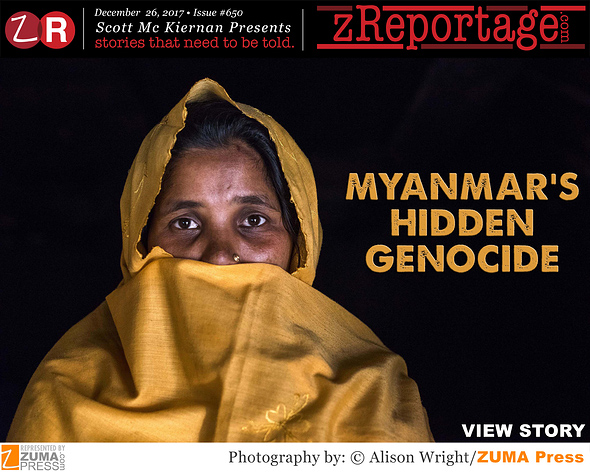
The Rohingya are an ethnic and religious minority of about 1 million people in predominantly Buddhist Myanmar, also known as Burma. They are denied official minority status and the citizenship rights that go with it. Over the last several years, they have have forced into camps where they cannot work, go to school, vote, access health care, or get passports. Many have fled. The United Nations says that more than 640,000 Rohingya have left the country in a mass exodus since August, after the army launched “clearance operations” in response to attacks carried out by a Rohingya insurgent group against security forces. The recent violence in Rakhine began on Aug. 25 after Rohingya insurgents attacked police posts and an army base in the state. Myanmar’s military responded by killing hundreds of people, triggering an exodus of Rohingya to neighbouring Bangladesh. Myanmar’s de facto leader Aung San Suu Kyi and the country’s military have come under international pressure to end the violence, but Ms. Suu Kyi does not have any control over the military under the 2008 constitution. The US on December 21, blacklisted and imposed economic sanctions against Myanmar army general Maung Maung Soe who it said oversaw human rights abuses committed by security forces against Rohingya Muslims. The US Treasury stated it had examined “credible evidence of Maung Maung Soe’s activities, including allegations against Burmese security forces of extrajudicial killings, sexual violence and arbitrary arrest as well as the widespread burning of villages.”
 ZUMAland.com