
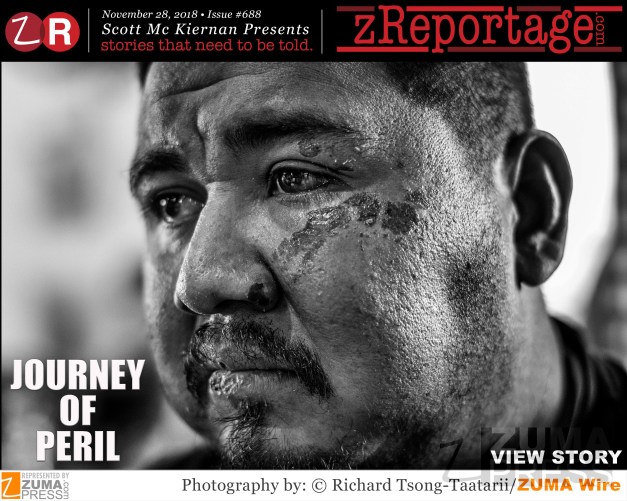
The Sonoran desert has become one of the fastest-growing gateways to the United States for undocumented immigrants. But it has also become one of the deadliest. The remains of more than 3,200 migrants have been found along a 262-mile stretch of the U.S. – Mexico desert in southern Arizona since 2000. Nearly 40 percent have never been identified. The data shows that while fewer people are crossing illegally into the United States, more are taking riskier and more dangerous routes and a higher percentage of undocumented border crossers are dying. Many argue that the increased death toll is evidence of the failure of U.S. Border enforcement operations. An increase in agents along the U.S. side of the border, and more concentrated enforcement at urban ports of entry, have not stopped illegal immigration. Instead, the policies have pushed migrants further into more perilous and barren areas, away from historic travel routes that have access to water. Advocacy groups have accused the U.S. Border Patrol of using the desert as a “weapon” against migrants. Another unintended consequence of the border crackdown has been an increase in the profitability of the human smuggling trade. Every surge in enforcement has brought a corresponding increase in the potential yield of each migrant crossing the desert. In towns across northern Mexico, from Sonoyta to Sasabe, the migrant has become a commodity. As smuggling has become more profitable, it has become increasingly consolidated under the drug cartels. It is no longer just men looking to make the treacherous crossing. This summer, U.S. Border Patrol agents in southern Arizona noticed an unusual phenomenon: Large groups of more than 100 women and children, most from Central America, illegally crossing the remote desert and then turning themselves in voluntarily as asylum seekers. The large groups appearing in the desert are a direct response to the long waits and tighter enforcement at the urban ports of entry.
 ZUMAland.com