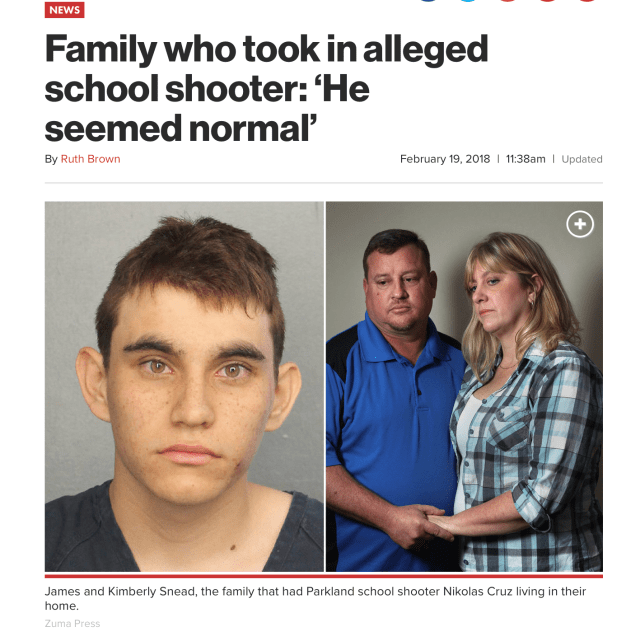
Photo Credit © Susan Stocker/TNS via ZUMA Wire

Photo Credit © Susan Stocker/TNS via ZUMA Wire


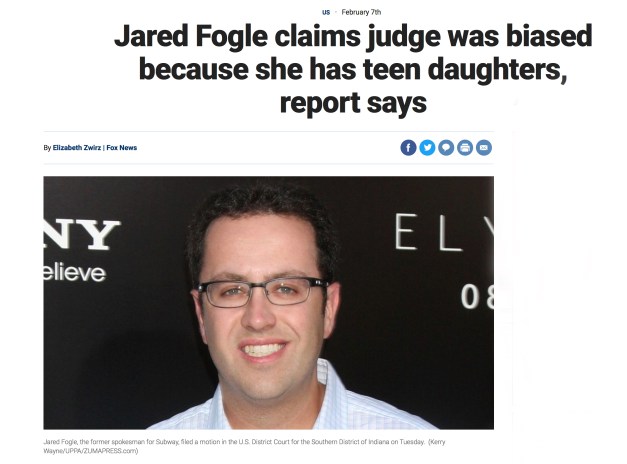
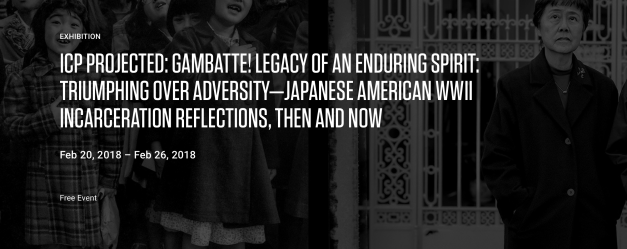
Images showing individual Japanese Americans who were forced into internment camps during World War II– as they looked then, and now– are projected for a photo exhibition (Gambatte! Legacy of an Enduring Spirit) by PAUL KITAGAKI JR. at the International Center of Photography in New York. Mr. Kitagaki’s photo installment– seen inside the museum and also projected onto the building’s exterior at night– is on display at ICP now through Monday, February 26, 2018
Photo Credit © Staton Rabin via ZUMA Wire.


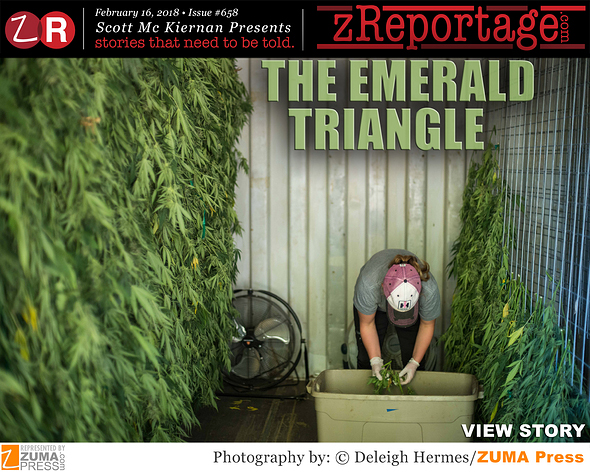
The Emerald Triangle in Northern California is the largest cannabis-producing region in the United States. In Mendocino County, Humboldt County, and Trinity County growers have been cultivating cannabis plants since the 1960s (during San Francisco’s Summer of Love). The industry exploded with the passage of California Proposition 215 in 1996, which legalized use of cannabis for medicinal purposes. Growing cannabis in The Emerald Triangle is considered a way of life, and the locals believe that everyone living in this region is either directly or indirectly reliant on the marijuana business. With prohibition coming to an end many small farmers and horticulturists feel the industry could turn and systematically they would be pushed out for the business. During last year’s campaign for Proposition 64, which made recreational marijuana legal for adults in California, advocates of the measure argue that it would protect the small marijuana farms and individual growers, (many of which operated illegally for decades prior to 1996). That’s because the initiative stopped the state from issuing licenses to any marijuana farm larger than 1 acre until 2023, or at least that’s what voters thought when they passed Proposition 64 unanimously. Recently, a state agency has quietly, issued a rule that could evade the proposition and open the new California state market to big business.

