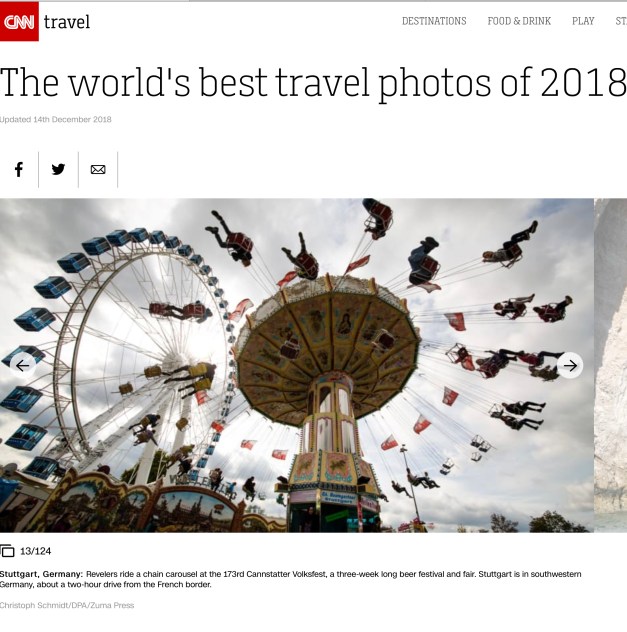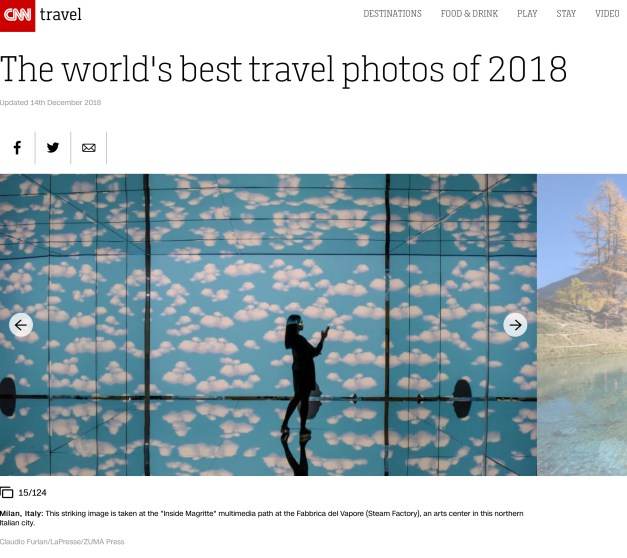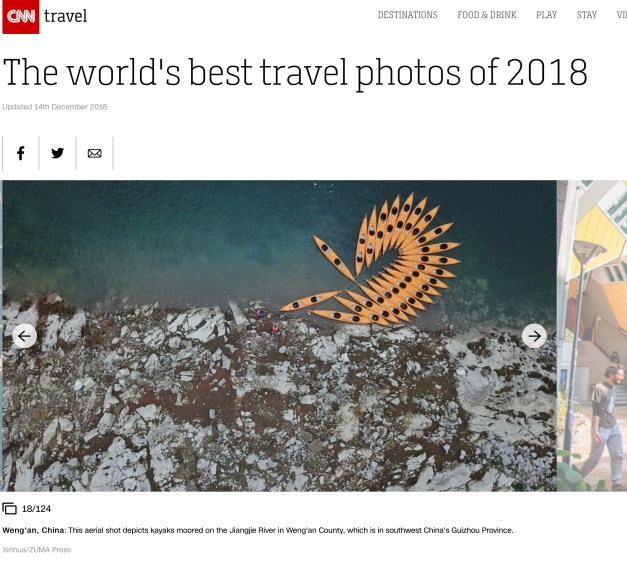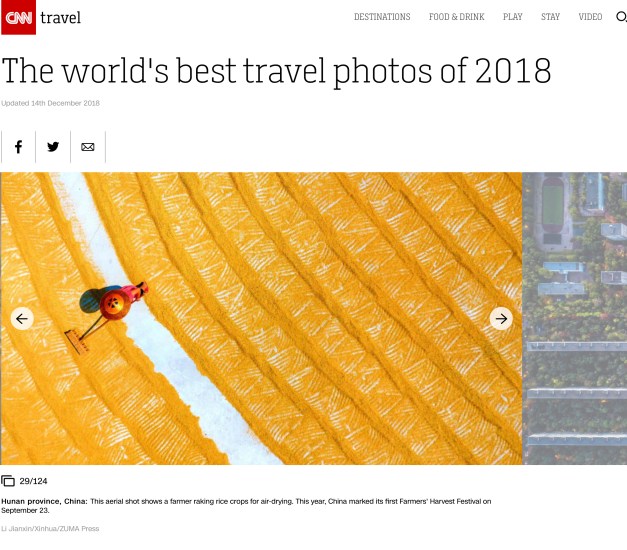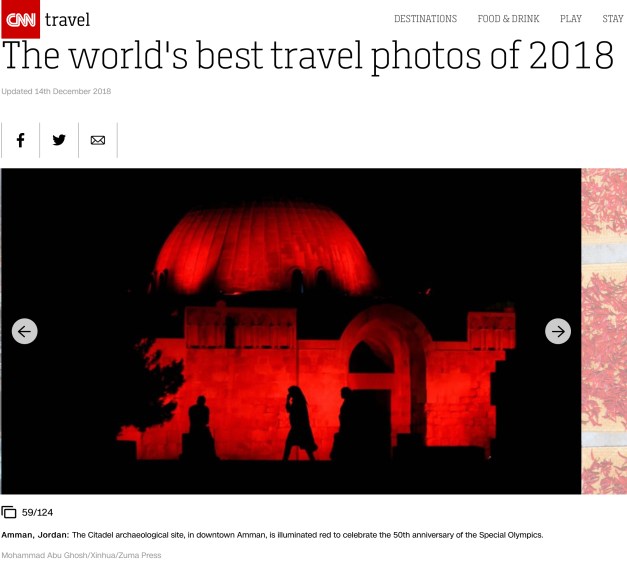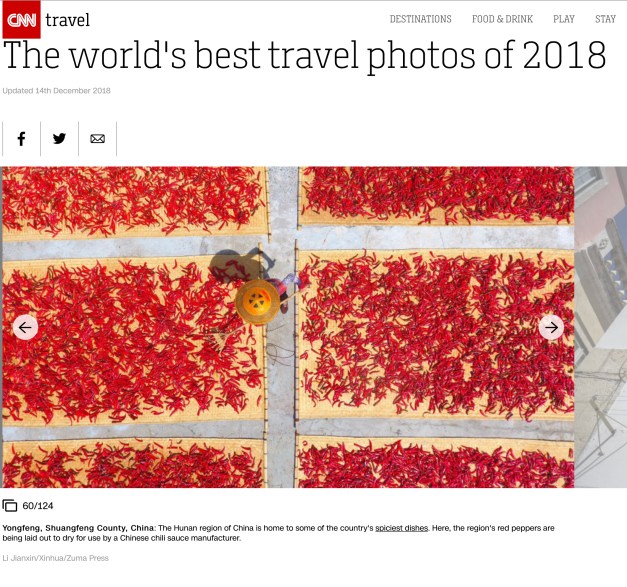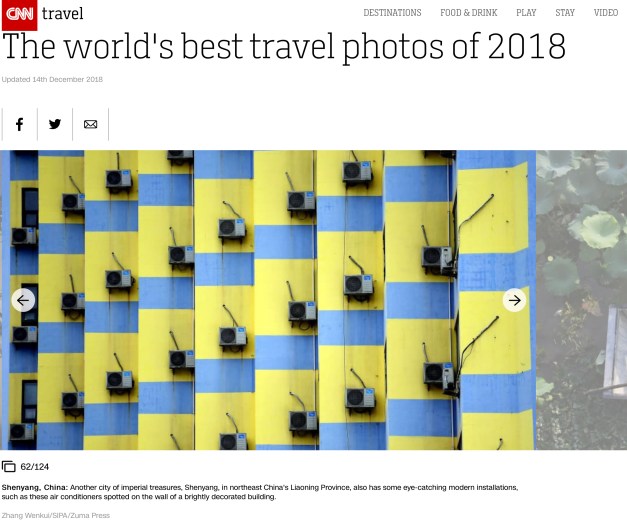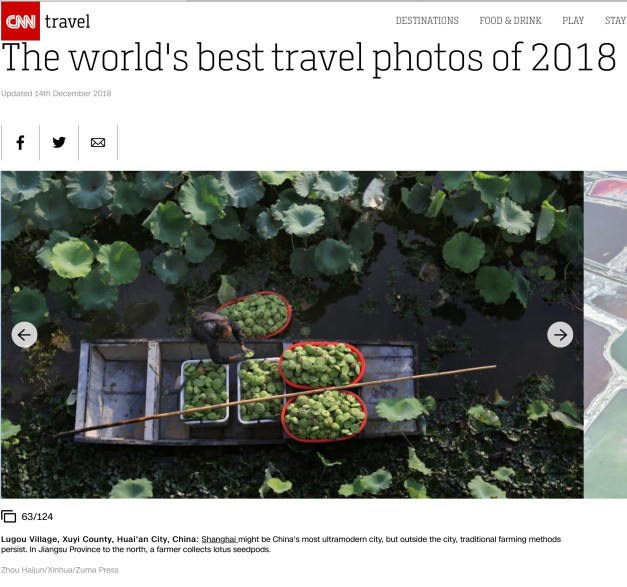
The movie would not be possible without the dedicated contributing photographers and editors at ZUMA Press.
Photographers:
Abbas Idrees:; Alexi Lubomirsk; Ameer Al Mohammedaw; Andre Camara; Andrew Milligan; Ashraf Amra; Ballesteros; Basilio Sepe; Ben Birchall; Bouton Frantz; Brian Lawless; Chen Jianli; Cheong Kam Ka; Chong Voon Chung; Danny Lawson; David Parry; Doug Peters; Franck Castel; Giuseppe Ciccia; Hao Qunying; Ilia Yefiimovich; J Gerard Seguia; Jane Barlow; Jia Minjie; Julien Mattia; Kelly Cestari; Krister Andersson; Lai Zhengfan; Malte Christians; Matthias Oesterle; Michael Brochstein; Miguel Gutierrez; Mike Stocker; Mohammed Talatene; Nir Alon; Pete Maclaine; Qui Haiying; Ray Tang; Richard Graulich; Richard Pohle; Ron Garrison; Ron Sachs; Rouelle Umali; Saqib Majeed; Sebastian Willnow; Sergei Savostyanov; Sergii Kharchenko; Skanda Gautam; Vit Simanek; Yuri Smityuk; Zakir Hossain Chowdhury; Zhang Xiaoliang; Zhao Yuguo; Zhou Zhiyong.
Agencies/newspapers:
APA Images; Bildbyran; CNP; CTK; DPA; EFE; Future Image; Harris County Sheriff’s Office; i-Images; Imago; KCNA; Lexington Herald-Leader; London News Pictures; Maxppp; NurPhoto; PA Wire; Pacific Press; Palm Beach Post; Panoramic; Russian Look; SIPA Asia; SOPA Images; Starmax; Sun Sentinel; TASS; USGS; Wostok Press; WSL; Xinhua; Yonhap News; ZUMA Wire.
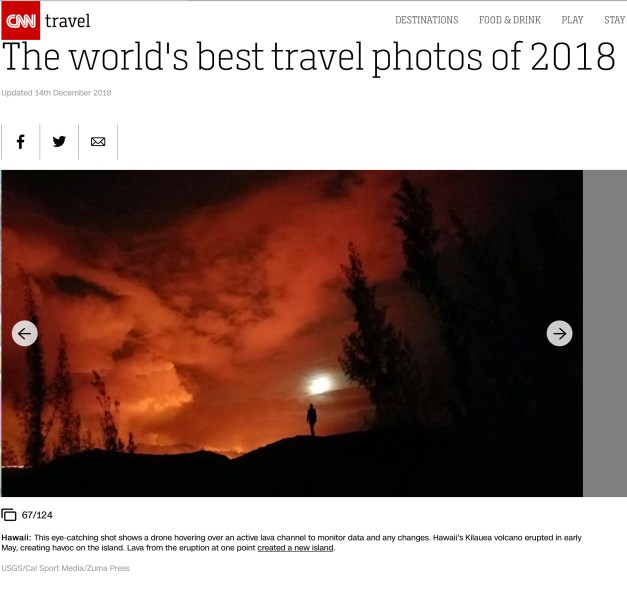
The five volcanoes of Hawaii are revered as sacred mountains. Hawaiians associated elements of their natural environment with particular deities from mythology, the sky father Wakea marries the earth mother Papa, giving birth to the Hawaiian Islands. Kilauea itself means ‘spewing’ in Hawaiian, referencing its high state of activity, and is known as ’the body’ of the deity Pele, goddess of fire, lightning, wind, and volcanoes. An explosive eruption at Hawaii’s Kilauea volcano has sent ash 30,000ft into the sky. Magma is draining underground from a sinking lava lake at Kilauea’s 4,091-foot summit before flowing 25 miles east and bursting from giant cracks, with several flows reaching the ocean just over three miles away. At least 2,200 acres of land have been torched by lava since May 3, in what is likely to be the most destructive eruption of Kilauea in more than a century. The crippling fury of the volcano was let loose on the Big Island’s Leilani Estates housing development, with the number of homes and other structures destroyed jumping to 82. Tourism provides 30 percent of the private sector jobs on the Big Island, concern has grown over the potential of a long-term hit on the island’s economy. the National Park Service reported that the closure of the park alone could see $166 million in lost revenue. Though the Hawai’i Volcanoes National Park remains closed, the eruption affects only a tiny corner of the Aloha state, a rural, 10 square mile area on one of the eight main islands. Honolulu is more than 200 miles from the erupting volcano. The state estimates the volcano has already cost Hawaii millions in tourism dollars, and now faces the tricky job of reassuring tourists that Hawaii is still open for business.
ASAP Please FTP pictures as usual, then email Licensing@zumapress.com
Thanks, Katrina

‘I will not stop searching until I find all of her remains’ These are the heartbreaking words of 51-year-old Norio Kimura, a man whose daughter Yuna, then 7, went missing during the tsunami following the Great East Japan Earthquake in 2011. Seven years after the disaster, family members in Fukushima, Miyagi and Iwate prefectures are still searching and identifying the bodies of those who went missing, and as time goes on they have fewer clues to work with. Relatives try to bring closure to their loss, years after the disaster that killed nearly 16,000 people along Japan’s northeastern coast and left more than 2,500 missing. Kimura, who lost his father, wife and daughter in the 2011 tsunami, searches for his missing younger daughter Yuna near his home inside the exclusion zone in Okuma, Fukushima Prefecture. Every month, Kimura returns to Okuma in search of Yuna’s remains, looking through piles of debris of dirt mixed with driftwood, blocks of concrete, utility poles and clothes of all sizes and colors on Okuma beach for any signs of his daughter. He is allowed to enter only one area of Okuma for up to a maximum 30 visits a year and stay for up to five hours per visit due to it being restricted because of the high radiation levels. In Fukushima Prefecture, a number of areas are still designated as no-go zones due to high radiation levels caused by the reactor meltdowns at Tokyo Electric Power Co.’s Fukushima No. 1 nuclear power plant. Police in the coastal area also play an important role in search efforts, by checking DNA samples and dental charts against the remains, for positive identification. Fukushima family members continue today to look for the bodies of their loved ones as they try to bring closure to their loss.
From ZUMA Photographer Sachelle Babbar :
“The shot was taken at a youth demonstration of over 2,000 against the Bavarian Polizeiaufgabengesetz (Police Assignment Laws) who fear for the loss of their rights and privacy. This is just days after over 40,000 demonstrated against the law. It was subsequently pushed through the Bavarian Landtag (Parliament) on the 15th.
The sign reads “affordable housing instead of body cams and drones”. The back of the uniform has the identifiers of the Bavarian Police, who received sweeping powers that are being widely criticized as a threat to Germany’s democracy, basic rights, privacy, and press freedom. I composed it to lead the eye to the officer while reading, a nod to critics who also believe that Munich is over-policed. It took a while to compose it and drew the attention of other officers who figured out what I was doing.”