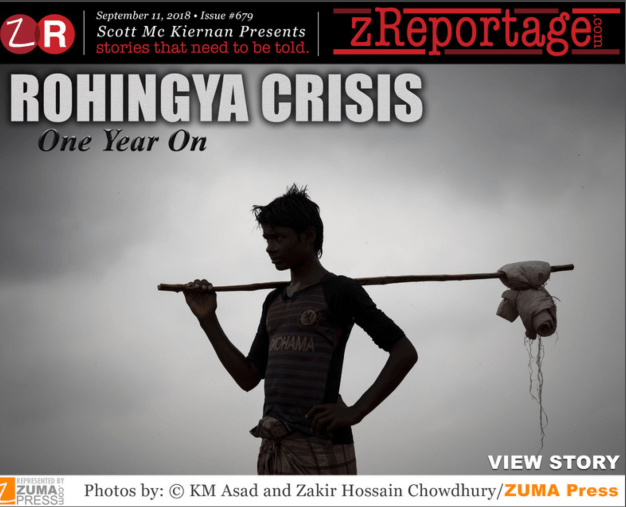
Since August 2017, hundreds of thousands have fled Myanmar’s Rakhine State and sought refuge in neighboring Cox’s Bazar, Bangladesh. The coastal town of Cox’s Bazar is a well-known honeymoon destination, and is famous for having one of the longest unbroken beaches in the world. But only 16 km from the beach, there is a different reality. 25 August 2018 marks one year since hundreds of thousands of Rohingya people fled persecution and violence in Myanmar’s Rakhine State and sought refuge in neighboring Bangladesh. This crisis stands out among recent refugee flows due to the large number of people fleeing in an extremely short period of time: about 655,000 Rohingya women, men and children fled to Bangladesh between 25 August 2017 and mid-December 2017, according to the United Nations. The number of Rohingya in Bangladesh currently stands at about 890,000. They live in approximately 34 camps in an area spanning about 26 square kilometers. Kutupalong and Balukhali mega camp, is one of the largest refugee camps in the world, hosting about 600,000 people. As well as being in one of the world’s most densely populated areas, the area is prone to floods and cyclones. A new UN report says Myanmar’s military should be investigated for genocide. Myanmar has rejected the report as one-sided. The army of the Buddhist majority nation, which has been accused of systematic ethnic cleansing, has previously cleared itself of wrongdoing. The UN report, blamed Ms Suu Kyi, a long-term leader of the pro-democracy movement, for failing to prevent the violence.

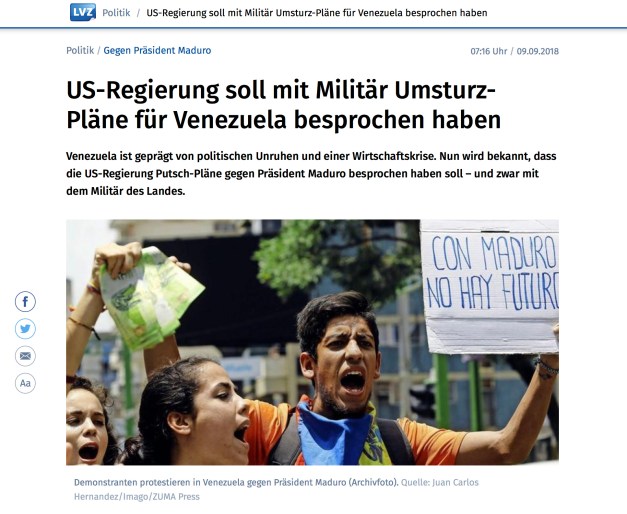
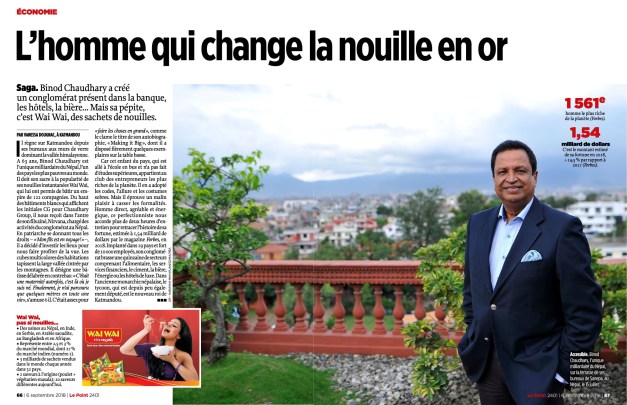
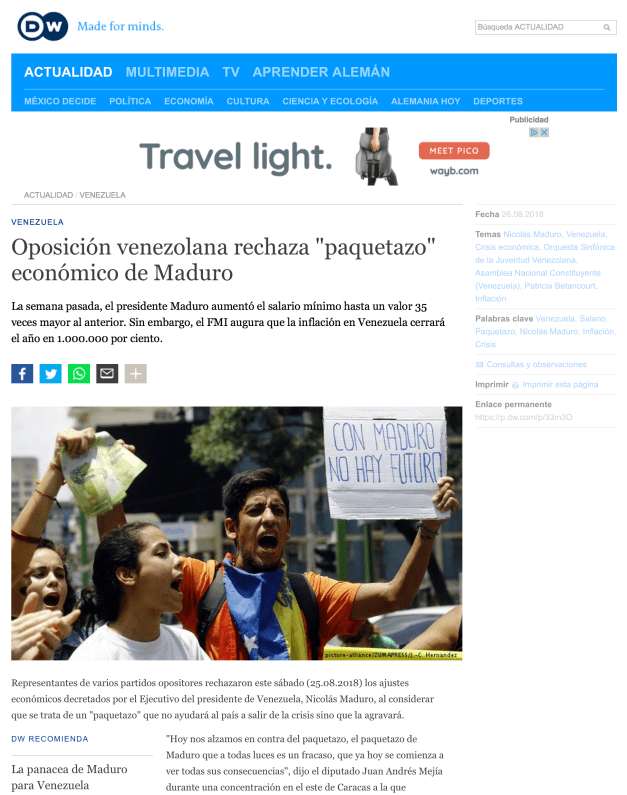
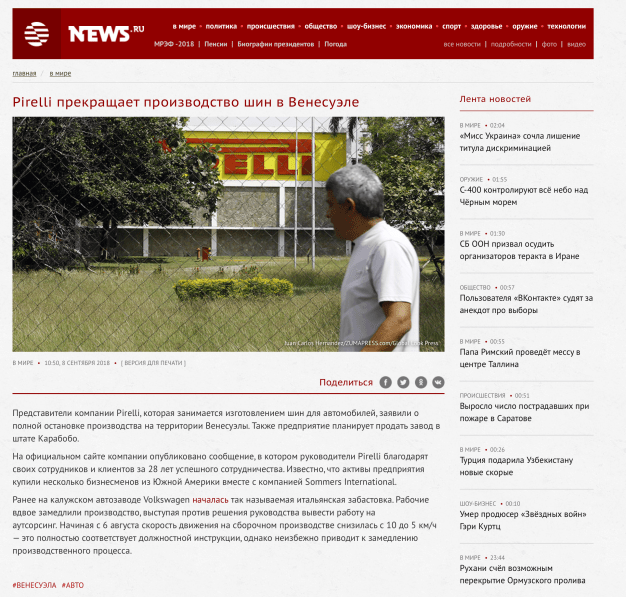
Photo Credit © Miguel Candela/SOPA Images via ZUMA Press
Looking of reportage of American women/woman in the Caribbean, that show adventure & travel:
For example:
Paragliding
Kite surfing
Boats/water shots
Snorkeling w/ vibrant fish/dolphins/Pig Beach/Flamingo Island
Sea Turtles/baby Sea Turtles hatching…
Open Top jeep adventures
Hiking in a nature preserve…
For any submissions I would need the name of the subject in the frame & a small blurp about the back story of the image.
The Deadline is Friday 09/21/18
ASAP Please FTP pictures as usual, then email Licensing@zumapress.com
Thanks, Katrina