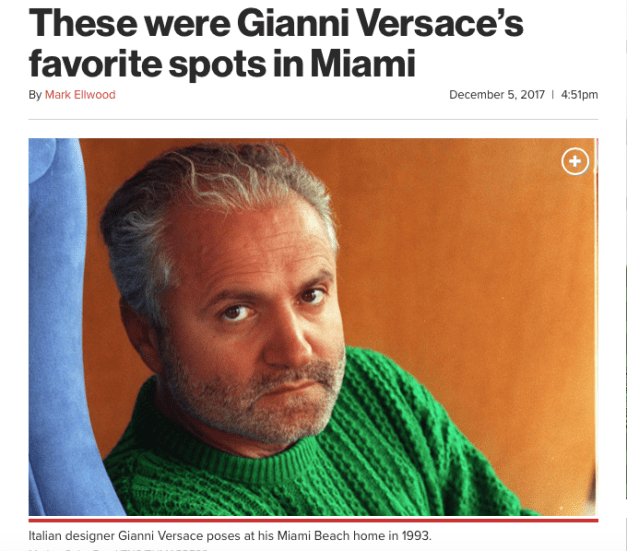
Marice Cohn Band via ZUMA Wire Service Featured on New York Post .com December 5, 2017 Posted by ZUMAPRESS.com on December 11, 2017 Posted in: ZUMALAND. Leave a comment
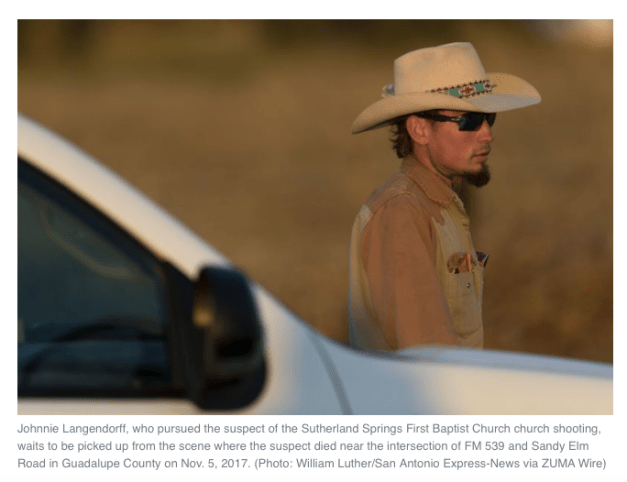
William Luther via ZUMA Wire Service Featured on Yahoo.com “Eyewitness to church shooting: ‘It just went on and on'”. Posted by ZUMAPRESS.com on December 11, 2017 Posted in: ZUMALAND. Leave a comment
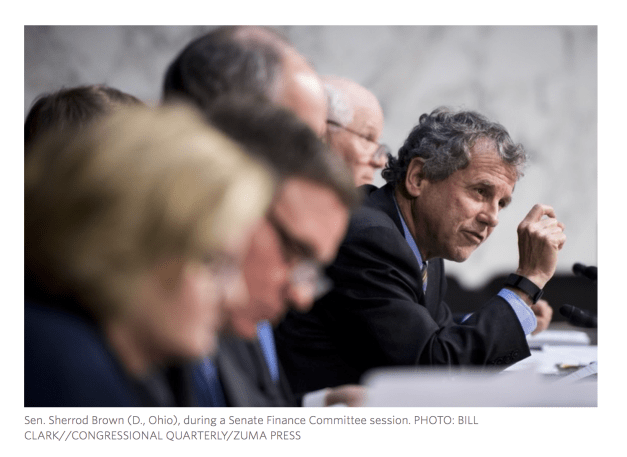
Bill Clark via ZUMA Press Featured on WSJ.com Posted by ZUMAPRESS.com on December 8, 2017 Posted in: ZUMALAND. Leave a comment
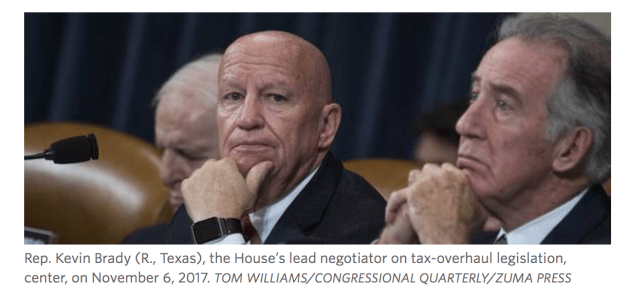
Tom Williams via ZUMA Press Featured on WSJ.com “The Morning Ledger: Senate Votes to Begin Tax-Overhaul Talks With House”. Posted by ZUMAPRESS.com on December 8, 2017 Posted in: ZUMALAND. Leave a comment
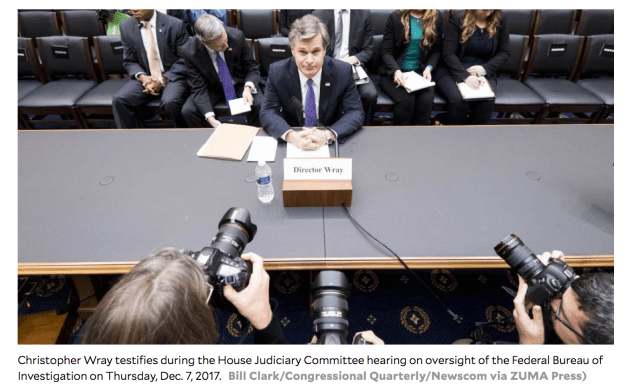
Bill Clark via ZUMA Wire Service Featured on Mother Jones.com “FBI Chief Defends Bureau Against Trump’s Attacks”. Posted by ZUMAPRESS.com on December 8, 2017 Posted in: ZUMALAND. Leave a comment
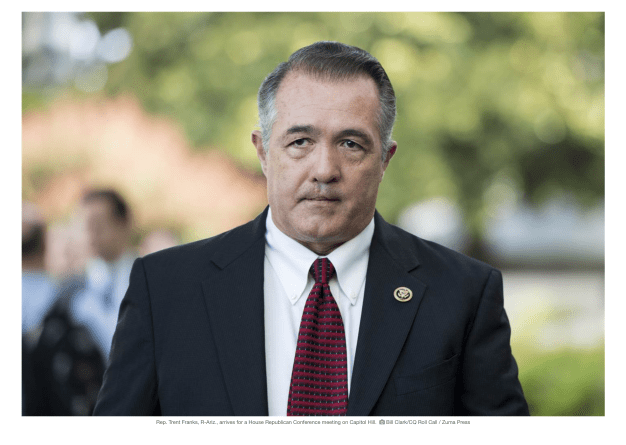
Bill Clark via ZUMA Wire Service, featured on NBC News.com “Arizona Rep. Trent Franks quits after asking female staffers about surrogacy”. Posted by ZUMAPRESS.com on December 8, 2017 Posted in: ZUMALAND. Leave a comment
THE TIMES (London) December 6, 2017 page 19 picture by Gene Blevins via ZUMA Wire. Posted by ZUMAPRESS.com on December 8, 2017 Posted in: ZUMALAND. Leave a comment
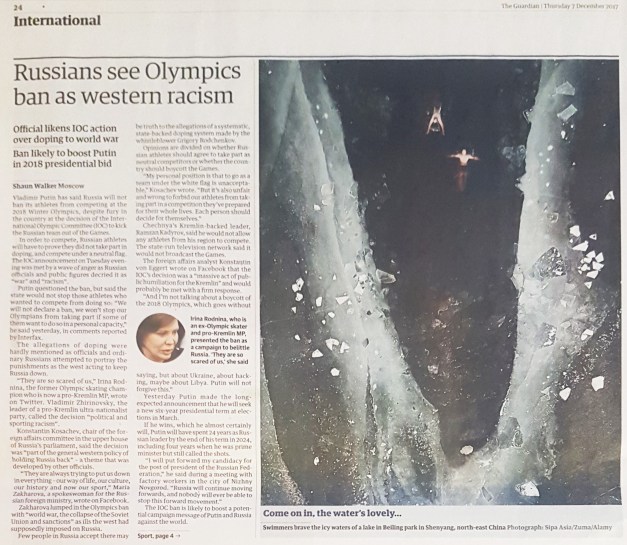
ZUMA Wire Service, featured in The Guardian Dec 7, 2017. Posted by ZUMAPRESS.com on December 8, 2017 Posted in: ZUMALAND. Leave a comment
Recent pictures needed of Amazon billboard in Calgary. Posted by ZUMAPRESS.com on December 7, 2017 Posted in: ZUMALAND. Leave a comment https://www.seattletimes.com/business/amazon/cities-crank-up-publicity-stunts-as-amazons-hq2-bid-deadline-arrives/ ASAP Please FTP pictures as usual, then email Licensing@zumapress.com Thanks, Katrina
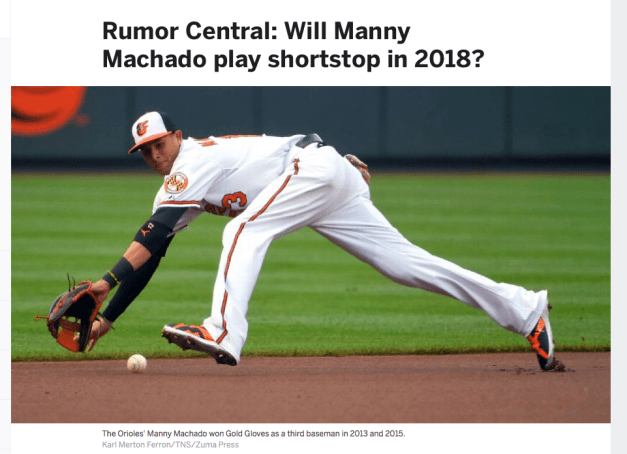
Karl Merton Ferron via ZUMA Wire Service, featured on ESPN. com “Rumor Central: Will Manny Machado play shortstop in 2018?”. Posted by ZUMAPRESS.com on November 22, 2017 Posted in: ZUMALAND. Leave a comment