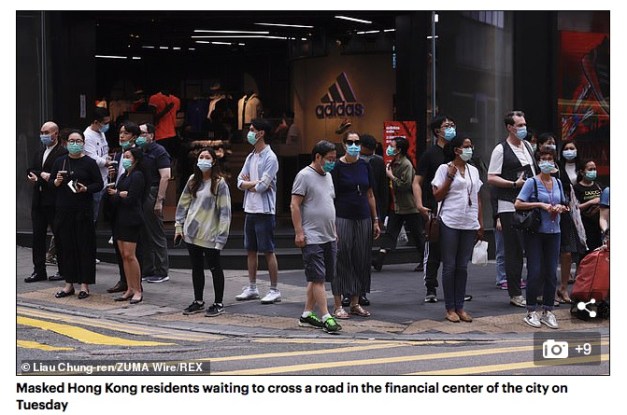
April 21, 2020: China: Masked Hong Kong citizens waiting to cross the road in the financial centre.
Scott Mc Kiernan, Founder & CEO, ZUMA Press

April 21, 2020: China: Masked Hong Kong citizens waiting to cross the road in the financial centre.
Scott Mc Kiernan, Founder & CEO, ZUMA Press
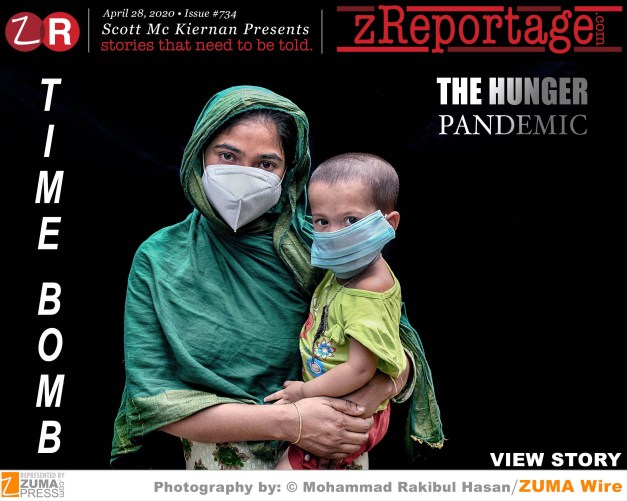
The Pandemic engulfing humanity is putting the world at risk on more than one front. A new terrifying frontline, is a monster hunger pandemic, a time bomb in the making in places like Bangladesh. On April 21, 2020 at the UN Security Council, the WFP Chief warned of a hunger pandemic as COVID-19 spreads: ‘Forgive me for speaking bluntly, but I’d like to lay out for you very clearly what the world is facing at this very moment. At the same time while dealing with a COVID-19 pandemic, we are also on the brink of a hunger pandemic.’ The words of former Republican South Carolina Governor David Beasley, 63, fresh off his own battle with the coronavirus, who spends his days on calls and video chats with global leaders, imploring them to continue and grow aid for millions of hungry people in scores of struggling countries. As executive director of the worlds leading humanitarian organization, Beasley has a lot of global worries daily. His organization provides solutions. The World Food Programme feeds up to 100 million people per day in 80-plus countries. UN’s Beasley warned that worldwide famines of ‘biblical’ proportions are on the way, if let unchecked, the current worldwide famines could double! The UN report estimates that the number suffering from hunger could go from 135 million to 270 million. More than 30 countries in the developing world could experience widespread famine, and in 10 of those countries there are already more than 1 million people on the brink of starvation. ‘We are not talking about people going to bed hungry, we are talking about extreme conditions, emergency status, people literally marching to the brink of starvation. If we dont get food to people, people will die.’ One place he and others are very worried about and already pushed to economic edge is Bangladesh. On our bountiful and sometimes barren planet, there is a daily life or death drama, for the majority of people, in their fast-growing modern metropolis capital of almost 9 million, Dhaka. Only 15% of Bangladeshi workers earn more than $6 a day. COVID-19 economic shutdown, threatens millions of livelihoods. No work, no money, no food. The streets of Dhaka are eerily empty. Millions of rickshaw drivers, day laborers, factory workers, maids and others raced to get home before the start of the country governmental shutdown on March 26, 2020, the city became unnaturally quiet. Dhaka is a loud metropolis a bee hive. Full of the sounds of interaction, energy, and a hyper fast growing economy. Sounds of people earning money, people who were able to get by financially, barely. Where are they now? What will they eat? How will they get by? According to World Bank data, only 15% of the Bangladesh population makes more than 500 taka ($5.90) a day. House maid Hamida Begum who is now out of work said, ‘We only have forty taka at home. We have to drink poison, if we cannot go out for work. Who will save us from hunger?’ The sufferings of approximately 7 million slum dwellers around Dhaka city are multiplying due to fall in income and price hike of consumer goods. There is hardly any food supply left in low income peoples houses. Most slum dwellers living in different parts of the capital, no longer are worrying about the virus and it’s infection, but what worries them is hunger, as they cannot go out for work and barren cabinets. The threat of starvation in the coming days is real. A ‘Time Bomb’ global famine of epic proportions is ticking and no easy solutions in sight. ZUMA Press award winning photographer Mohammad Rakibul Hasan, to tell this story that needs be told, made a series of dignified portraits of the embattled proud and hard working Bangladeshi’s, trying to survive against all the odds and juxtaposition a still life of what food supplies, they have left. .Meanwhile UN’s Beasley is trying to get the world leaders to help. A coronavirus victim, working hard to get more funds, to help avert this pending epic disaster.
Scott Mc Kiernan, Founder & CEO, ZUMA Press
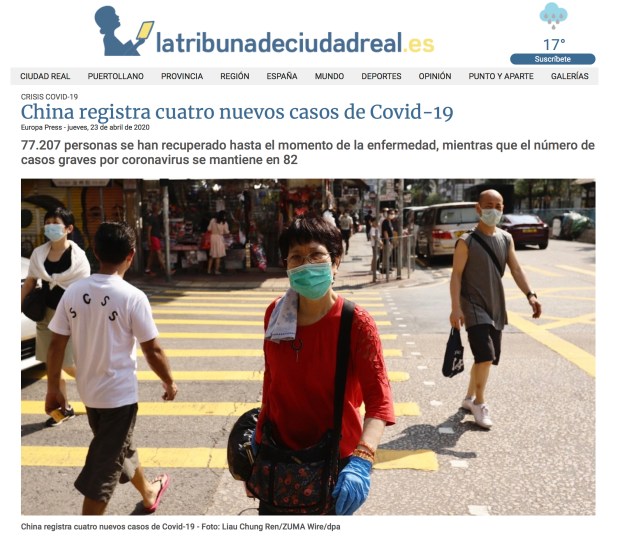
April 20, 2020, Hong Kong, China: A woman with a face mask and rubber gloves crossing the road at the largest slam in Shum Shui Po.
Scott Mc Kiernan, Founder & CEO, ZUMA Press
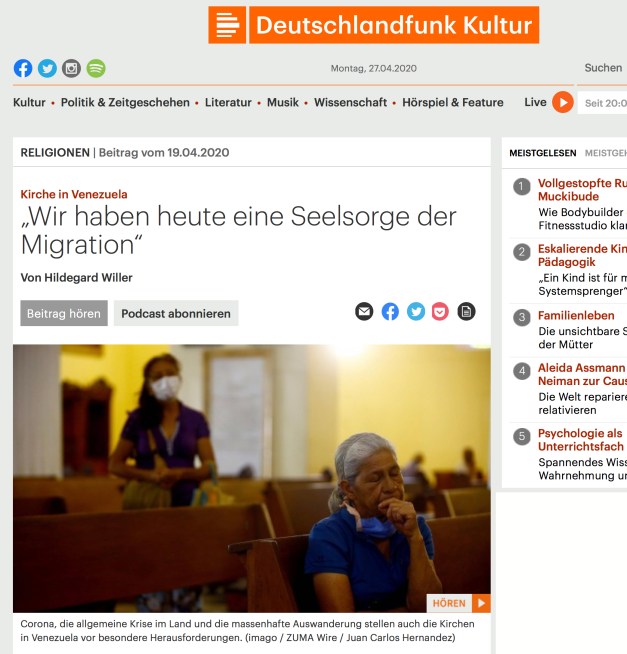
March 20, 2020. Valencia, Carabobo: Venezuelans visit churches to pray and ask God for divine protection against the Coronavirus pandemic. Although masses are prohibited by the social quarantine that the government decreed to prevent the spread of Covid-19, believers demonstrate their faith and visit the church.
Scott Mc Kiernan, Founder & CEO, ZUMA Press
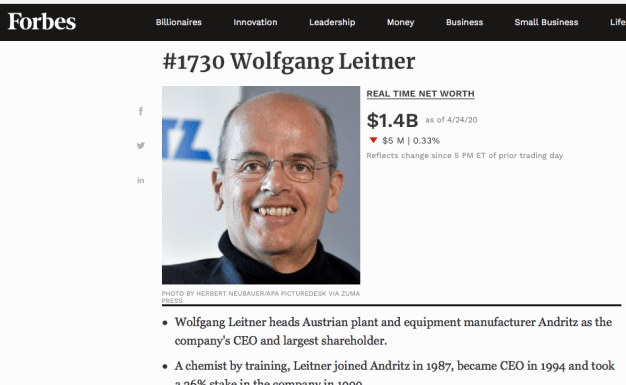
March 3, 2017 – Austria – Andritz AG CEO Wolfgang Leitner during press conference on topic of results of 2016 in Vienna, Austria.
Scott Mc Kiernan, Founder & CEO, ZUMA Press
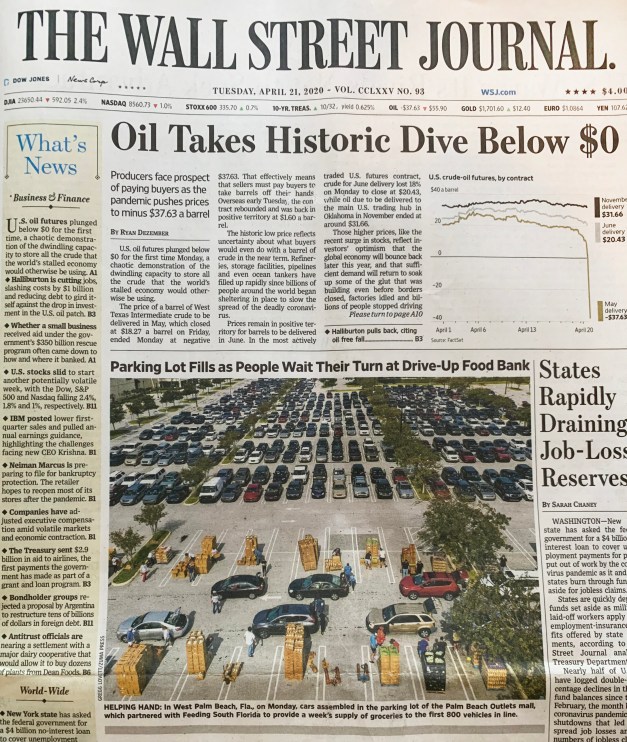
April 20, 2020, West Palm Beach, Florida: Cars line up at a drive-up food distribution center in the parking lot of the Palm Beach Outlets. People receive a one-week supply of a protein, fresh produce, eggs, milk, and other essential goods. The donations are limited to 800 cars on a first come first serve basis every Monday. Palm Beach Outlets partnered with Feeding South Florida to help those struggling during the coronavirus pandemic.
Scott Mc Kiernan, Founder & CEO, ZUMA Press
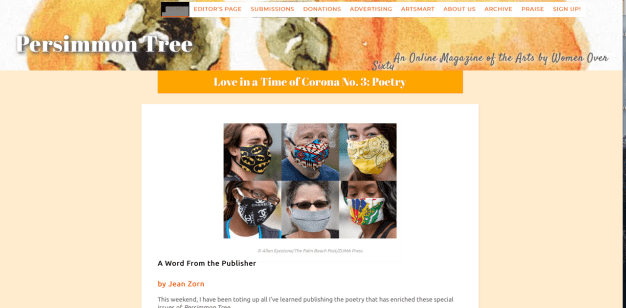
April 13, 2020, Royal Palm Beach, Florida, USA: Walmart customers and employees wear masks after the county issued an order strongly urging all persons physically present in any public place to wear facial coverings as defined by the CDC to help slow the spread of COVID-19.
Scott Mc Kiernan, Founder & CEO, ZUMA Press
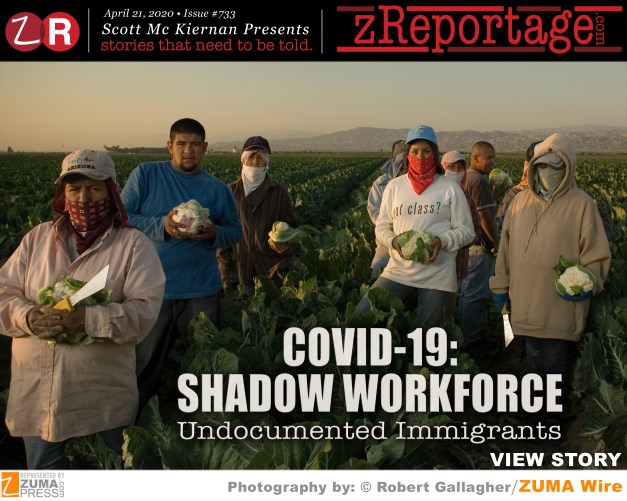
The fallout from the COVID-19 pandemic is proving to be one of the worst economic recessions in American history, and the federal government has rightly taken preliminary steps to mitigate the harm for working-class Americans, and some economic relief is on the horizon for the average American. Unfortunately, there has been relatively little done to provide relief to a critical yet often overlooked segment of the American labor force: undocumented immigrants. There are multiple estimates of the undocumented population, a recent estimate from ACS American Community Survey puts it at 10.6 million. To put this figure into perspective, the undocumented working population is roughly the same size as the combined total working populations in Alabama, Kentucky, Louisiana, and Mississippi, or 4.6 percent of the entire American working population. Undocumented immigrants live in every state, and 22 states have undocumented populations of more than 100,000. California is home to more than 2 million undocumented immigrants, making up nearly 1 in 10 workers in the state. Many are taxpayers. In 2014 undocumented immigrants in California paid about $3.2 billion in state and local taxes. California Governor Newsom announced a statewide public-private partnership will provide financial support to undocumented immigrants impacted by COVID-19. California will provide $75 million in disaster relief assistance and philanthropic partners have committed to raising an additional $50 million. Across the U.S., immigrant’s rights groups, labor organizations and some lawmakers are calling on national officials to provide relief for undocumented workers ineligible for food and other safety net benefits and left out of the federal government’s coronavirus stimulus checks, with a particular focus on those workers who filed taxes with ITINs. Mixed-status families are projected to be disproportionately negatively affected by this crisis, and their economic well-being is essential to the overall economic well-being of the United States.
Photographer Credits © Robert Gallagher
Scott Mc Kiernan, Founder & CEO, ZUMA Press
If you have images of her, please FTP as usual and email licensing@zumapress.com
The deadline: April 23, 2020
Thank you!
If you have images of him, please FTP as usual and email licensing@zumapress.com
The deadline: April 23, 2020
Thank you!

